



Feature Article
- Home
- Feature Article
- How to Prepare for Mt. Fuji: Expert Weather Tips for a Safe Climb
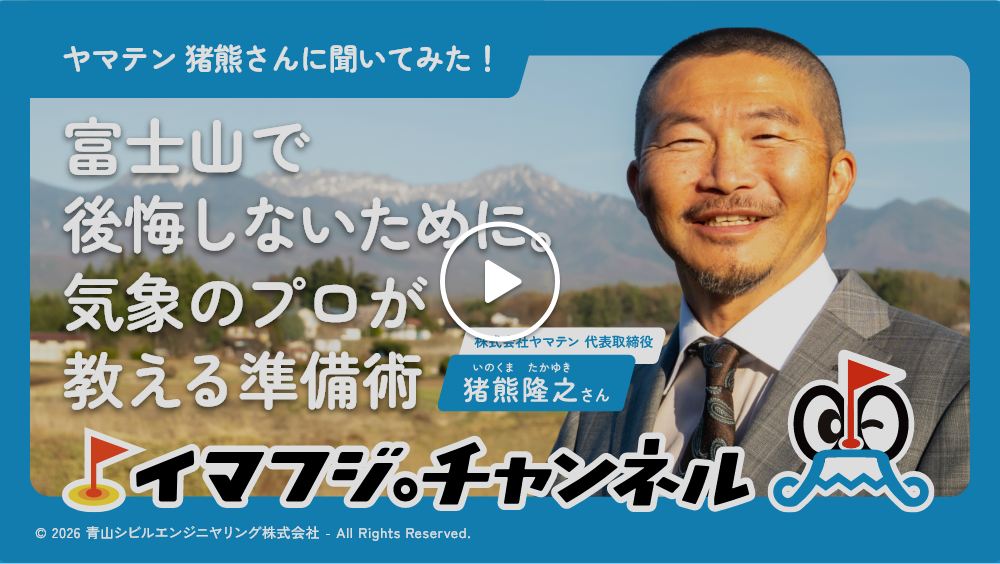
No Regrets on Mt. Fuji: Preparation Tips from a Professional Meteorologist
"I want to climb Mt. Fuji at least once in my lifetime!" Many first-time climbers take on this challenge. However, while Mt. Fuji may seem accessible like other popular hiking destinations, it presents some of Japan's most severe weather conditions — a gap that catches many beginners off guard.
We sat down with Takayuki Inokuma, head of Yamaten — Japan's only specialized mountain weather forecasting company — and an expert who has climbed peaks across the globe. He shared the common weather mistakes beginners make, pro-level strategies for food and altitude sickness, and a smart approach to trip planning using "Imafuji" and "Yamaten" together.
-
Point 1
"Wind" and "Getting Wet" Can Be Fatal.
Real Dangers on Mt. Fuji and 2 Clouds to Always Watch -
Point 2
Weather Forecasts Miss the Mark!?
How Yamaten Reads the Mountain's Unique Terrain -
Point 3
Plan Smarter with Yamaten × Imafuji!
A Dual-Tool Strategy to Minimize Risk -
Column
The Critical 2 Hours After Arrival to Prevent AMS
A Peek Inside the Pro's Pack: What Snacks Do You Bring? - More Related Links & Videos
POINT 01
"Wind" and "Getting Wet" Can Be Fatal.
Real Dangers on Mt. Fuji and 2 Clouds to Always Watch
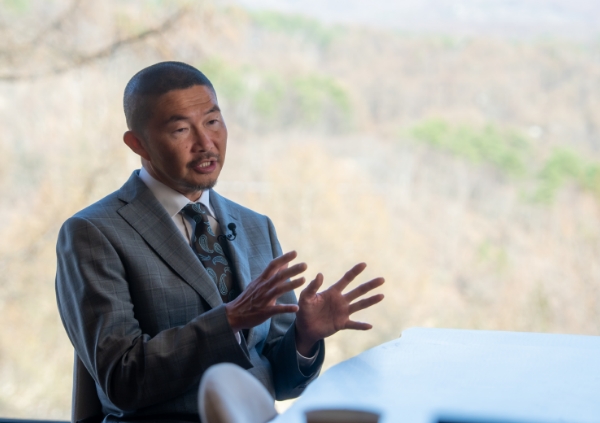
Mt. Fuji is a standalone volcano — Japan's highest peak with nothing to block the wind. "Most beginners worry about rain, but the real danger is wind," says Inokuma.
Strong winds cause the temperature to plummet instantly, dramatically raising the risk of hypothermia. Mt. Fuji's proximity to the ocean also means moist air races up the slopes, causing sudden weather changes. Even in the height of summer — July and August — snow can fall.
Dangerous Scenes Witnessed Firsthand by Mr. Inokuma
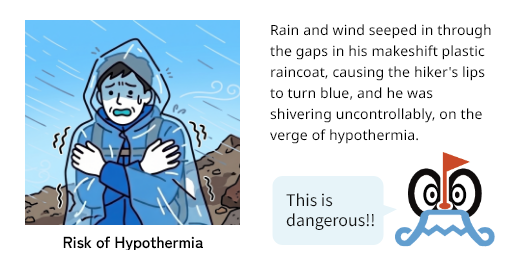
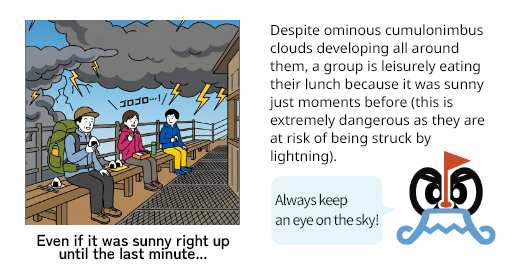
To avoid these hazards, Inokuma says there are "two types of clouds to watch for during any climb on Mt. Fuji."
Cumulonimbus (Thunderhead)
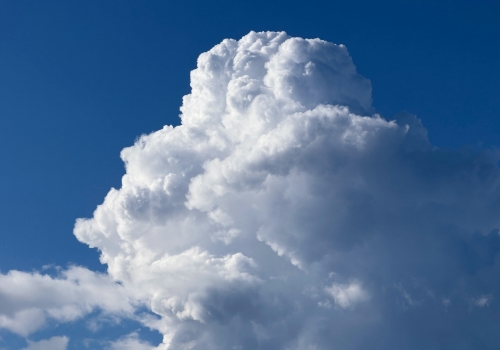
When clouds puff up like soft-serve ice cream or cauliflower, that's a sign they're "getting energized." If this begins as early as 7–8 AM, there is a very high risk of severe thunderstorms by midday.
Lenticular, Cap & Banner Clouds
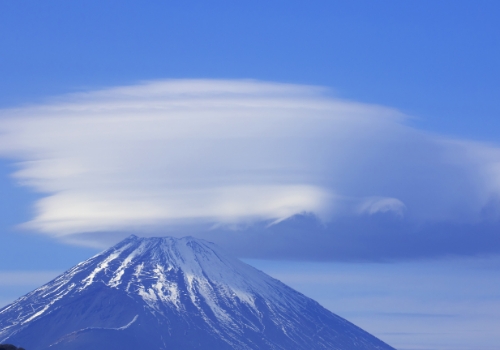
These Mt. Fuji-specific cloud formations signal ferocious winds at altitude. Once wind speeds exceed 15 m/s, even a grown man will struggle to stand. If you begin losing your balance in the wind, the rule is simple: do not advance further.
POINT 02

Weather Forecasts Miss the Mark!?
How Yamaten Reads the Mountain's Unique Terrain
Today, smartphone weather apps generate forecasts automatically with a single tap. These numerical predictions remain fairly accurate on flat terrain, but in mountainous areas — especially on the unique topography of Mt. Fuji — their accuracy drops significantly.
"Mountain weather is heavily influenced by complex terrain," Inokuma explains. "That's exactly why we can't just output the computer's raw calculations — our forecasters must adjust predictions using their knowledge of the mountain's 'terrain quirks' and years of accumulated experience."
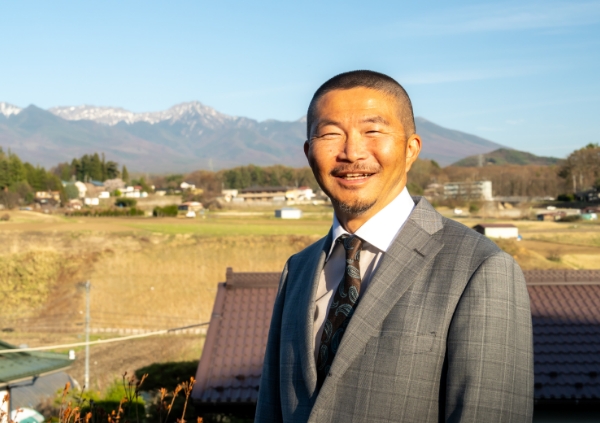
As Japan's only specialized mountain weather forecasting company, Yamaten goes beyond simply reporting sunshine or rain. Their forecasts explicitly detail specific hazards such as "lightning risk" and "hypothermia risk," helping even beginners vividly imagine dangers and prepare accordingly. This commitment was born from witnessing an era when professional tour guides misjudged weather conditions, leading to numerous fatal accidents — and a burning desire to "create forecasts that genuinely protect the lives of guides and climbers."
POINT 03
Plan Smarter with Yamaten × Imafuji!
A Dual-Tool Strategy to Minimize Risk
So how should beginners use these data tools to stay safe and enjoy the best possible experience on Mt. Fuji?
Inokuma's recommendation is a smart dual-tool approach: combining Yamaten's mountain weather forecasts with Imafuji's real-time weather data visualization.
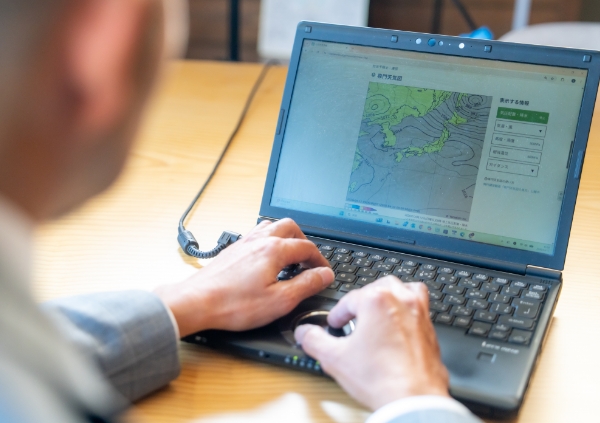
Inokuma's Recommended Guide to Using Weather Data for Climbing
Before the Climb
(A Few Days to the Day Before)Start by checking Yamaten. If a "severe weather warning" is issued a few days out, cancel your summit attempt without hesitation. Even without a warning, check the forecast wind speeds carefully from 2–3 days before and decide whether to proceed with your plan.
On the Day
(Adjusting Clothing On-Site)Start by checking Yamaten. If a "severe weather warning" is issued a few days out, cancel your summit attempt without hesitation. Even without a warning, check the forecast wind speeds carefully from 2–3 days before and decide whether to proceed with your plan.
During the Climb
-
Comparing "Yamaten's forecast" against "Imafuji's actual real-time data" is the ultimate risk management strategy. For example: "The weather is deteriorating faster than forecast" or "The wind is weaker than predicted and trending down, so we should be fine." Using Imafuji's live data, you can fine-tune the forecast yourself and make better-informed decisions throughout the climb.
ColumnPro Tips Column: Getting More Out of Mt. Fuji
-
1 The Key to Preventing Altitude Sickness: The First 2–3 Hours After Arrival
Upon reaching the 5th station, resist the urge to start climbing immediately. Rest for at least one hour to let your body acclimatize. And when you reach the mountain hut — do NOT fall straight to sleep no matter how tired you feel! (Altitude sickness progresses rapidly during sleep.)
When you sleep, your breathing becomes shallow and oxygen circulation decreases. For the first 2–3 hours after arriving at the hut, stay awake and push through the drowsiness to allow your body to properly adjust.
-
2 Mt. Fuji Is Best Enjoyed by "Watching the Clouds"
As a solitary volcanic peak, Mt. Fuji offers dramatic cloud transformations, sea of clouds (you can often rise above the clouds even around the 5th station), white rainbows (fogbows), and other beautiful meteorological phenomena rarely seen elsewhere!
By embracing the clouds as a companion and learning to read them, you can discover your own unique enjoyment of Mt. Fuji beyond simply reaching the summit.
A Peek Inside the Pro's Pack!
What Do You Bring for Trail Snacks?
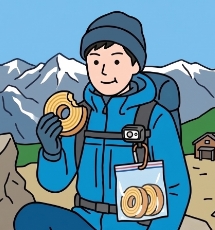
Mr. Inokuma's choice is...
"Baumkuchen"
Sugar and carbohydrates are essential for preventing hypothermia, and nowadays Baumkuchen is moist, delicious, and ideal as trail food. Other favorites include daifuku rice cakes, chocolate, spicy rice crackers to keep your mouth busy, and for hydration — not just water, but oral rehydration solution (convenient in powder form) is highly recommended.
MoreRelated Links
Official Website of "Yamaten" Mountain Weather Forecasts
[URL:https://www.yamaten.net/]
(A serious weather forecast for mountaineers, crafted by certified meteorologists who read the unique terrain of each mountain.)
YouTube Short Videos
We have also released short videos condensing the key points from our interview with Mr. Inokuma into under one minute each. Perfect for a quick check right before your climb!
PROFILE
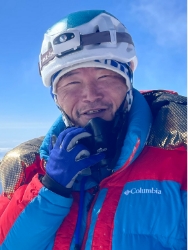
CEO of Yamaten, Japan’s only specialized mountain weather company. Former head coach of Chuo University Mountain Club. Served as a specialist survey committee member and instructor at the National Mountain Climbing Research Institute. Ambassador for "Mountain Day" and an advisory developer for Casio's "Pro Trek" series. Passionate about mountain climbing, weather forecasting, and cloud observation—more than anything else. Climbing experience includes Chomkhangri (Tibet), winter traverses of the entire northern ridge of Mt. Tsurugi, and more. Since 2019, has summited mountains such as Everest (8,848m) and Manaslu (8,163m) while providing weather forecasts, deepening understanding of mountain meteorology. Currently serializing "One Hundred Mountains in the Sky" in the Asahi Shimbun Niigata, Nagano, and Yamanashi editions. Author of numerous books, including The Complete Guide to Mountain Weather (Yama to Keikoku-sha). Has made many television appearances, including on "Matsuko no Shiranai Sekai."